9 Factors to consider when choosing a roofing material
Cursus tincidunt tempor aliquam mattis et mi fames at id venenatis massa at egestas egestas dignissim nisl, in ipsum sed consequat in viverra.
Choose for climate, structure, and how you will live under it
Material marketing talks about color and “curb appeal.” Those matter, but they sit behind wind, hail, weight, and the framing you already have. This list is the order a careful contractor walks when the question is “what should we put on this building?” — not “what is on sale this week.”
- Climate: hail, salt air, freeze-thaw, wildfire embers, and UV hours.
- Roof pitch and geometry: low-slope needs a membrane; steep can take shingles, metal, or tile.
- Structure: tile and some slates need a deck and rafters that can carry the dead load.
- Wind rating: match the product’s tested assembly to your exposure category.
- Fire classification: required in many wildland-urban interface zones.
- Noise and comfort: metal can be loud in rain unless the assembly is detailed; tile and asphalt are quieter.
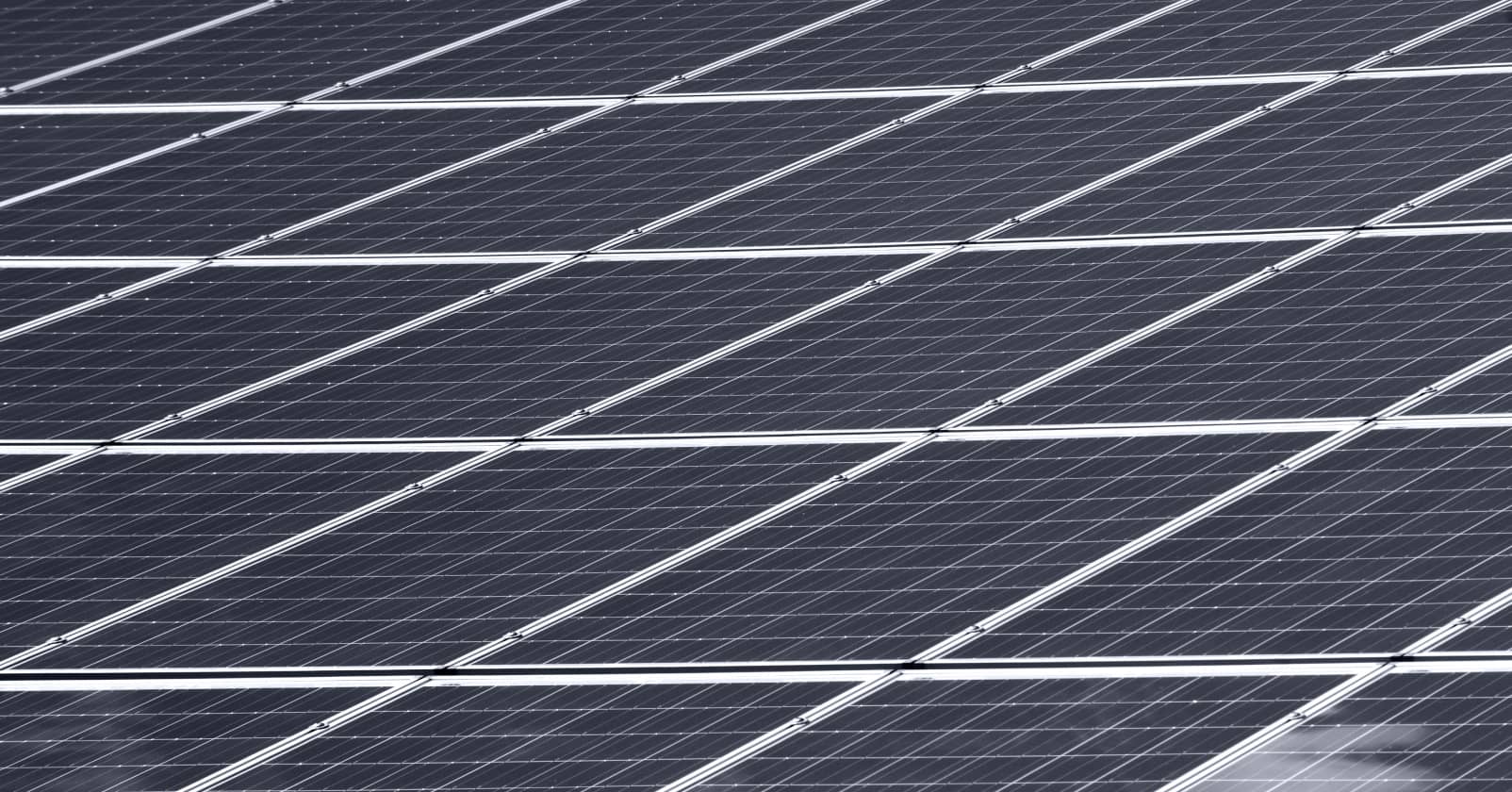
- Solar and penetrations: how many pipes, skylights, and future arrays you must flash.
- Service access: can a crew walk it later without destroying the finish?
- Warranty that is actually registerable in your zip code with a certified installer.
Climate and structure first
Coastal wind and salt argue for well-specified metal or a high-wind asphalt system, not a decorative slate lookalike that the manufacturer will not warranty near the ocean. Heavy snow wants a pitch and a metal or high-quality laminate that sheds. A 1950s ranch with 2x4 rafters may not take clay tile without engineering. If the factor is structural, no color chart will save the job.
The covering has to work with the rest of the assembly
Underlayment, ventilation, and flashing are part of the material choice. A premium shingle on felt with reused step flashing is not a premium roof. Ask what ice-and-water, drip edge, and vent products ship with the system. For metal, ask about oil-canning, clip systems, and whether the panel is mechanically seamed or snap-lock — those details decide wind and leak performance more than the paint name.
“Pick the assembly that survives your weather on your framing. Finish color is the last meeting, not the first.”
Bring these nine to the bid walk
Print the list. Score each bid against it. The right material is the one that clears climate and structure without theater, then meets your budget and look. If a salesperson skips load, wind, or ventilation, they are selling a photo, not a roof.

Congue commodo in lacinia sagittis mi id justo, tristique elit neque quis tortor non facilisis risus scelerisque aliquet.